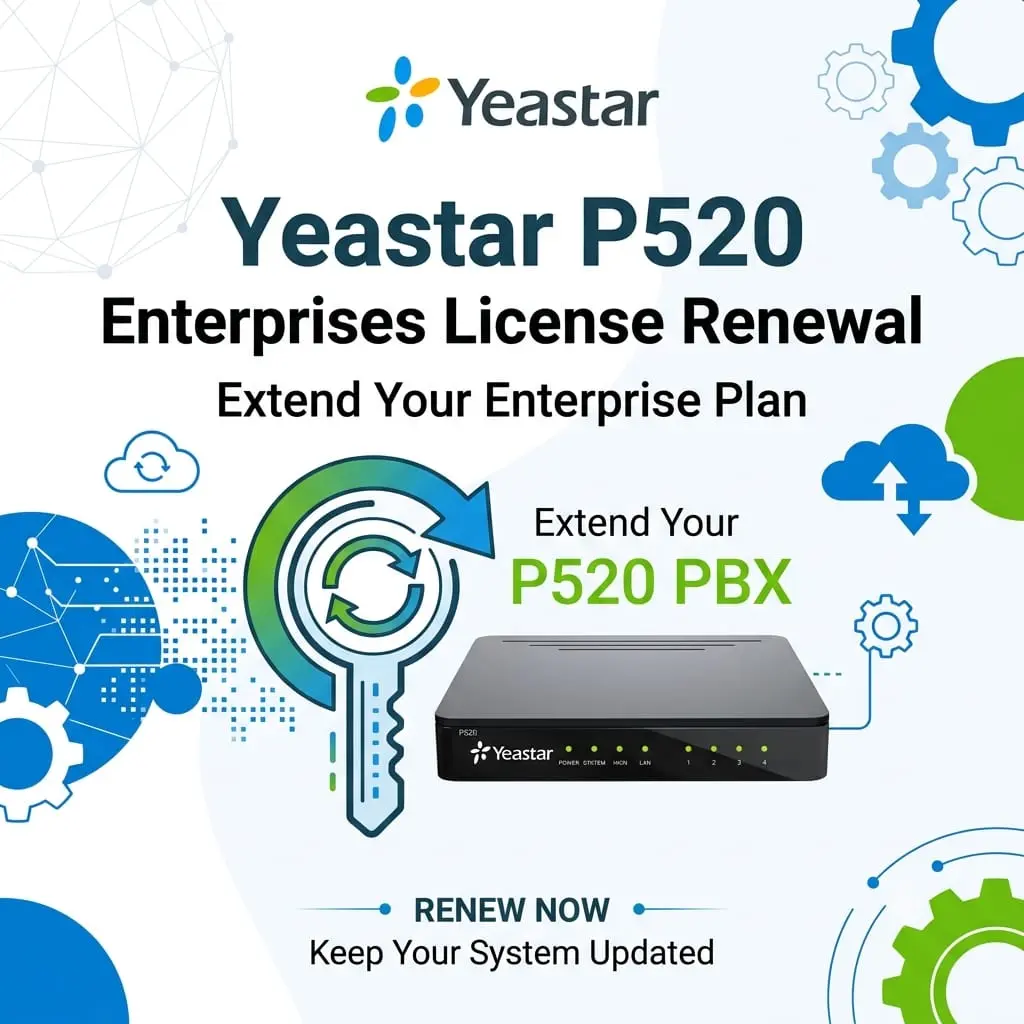
Yeastar P520 PBX Appliance in Dubai, UAE
The Yeastar P520 is a compact P-Series Appliance Edition phone system for smaller businesses that want professional call control, modern unified communications, SIP trunk support, analog line flexibility, and simple administration in one on-premise appliance. It is well suited for offices that have outgrown basic phone lines but do not need a large enterprise PBX. FourTeck.com supports UAE business buyers with configuration review, model selection, quote assistance, and delivery coordination guidance for phone system projects.
✓ 10 Concurrent Calls
✓ SIP and Analog Options
✓ Linkus UC Support
✓ UAE Quote Guidance
Request Quote
Check UAE Availability
Quick Product Information
Buyer Snapshot
Best Fit
Small teams that need structured call handling, extension dialing, and a reliable office phone system without large-capacity hardware.
Main Benefit
It brings calls, voicemail, routing, remote users, and customer-facing communication tools into a manageable appliance.
Confirm First
Check the number of users, simultaneous calls, SIP trunks, analog phones, PSTN lines, and internet reliability before purchase.
FourTeck Support
FourTeck.com helps review appliance fit, related IP phones, modules, and quote requirements for UAE business buyers.
Product Overview
A business phone system is no longer only a box that connects desk phones. For many UAE companies, it is the control point for customer calls, front-desk routing, internal extensions, service team response, mobile users, and office continuity. The Yeastar P520 PBX Appliance is designed for smaller organizations that need these capabilities in a compact on-premise form factor. It is part of Yeastar’s P-Series Appliance Edition and gives smaller teams a practical path to modern telephony without immediately moving to a large multi-site communication platform.
The appliance is especially useful where the business has a manageable number of extensions but still needs professional calling features. A clinic may need reception call routing and voicemail. A trading company may need SIP trunks, desk phones, and mobile access for sales staff. A branch office may need internal extension dialing, call transfer, business hours rules, and simple administration. A service company may need queues, call handling visibility, and clear routing between support, accounts, and operations. In these cases, the product gives the buyer a structured phone platform rather than a scattered collection of lines and handsets.
The appliance supports up to 20 users and 10 concurrent calls, which makes capacity planning easy for small teams. Buyers should still evaluate real call volume carefully. A company with 18 staff members may still be a good fit if only a few staff are on calls at the same time. Another company with 12 call-heavy users may need to review concurrency more closely. FourTeck.com can help buyers in Dubai and the UAE compare the expected number of extensions, remote users, SIP channels, analog line requirements, and future growth before quotation.
The system can also support a mixed telephony environment. Many small offices still use analog phones, fax devices, PSTN lines, or GSM/4G backup connectivity. The P520 can be matched with suitable telephony modules depending on the requirement, while SIP trunking can support modern VoIP calling plans. This flexibility is important when a business is migrating from an older PBX but wants to preserve part of the existing phone setup during the transition.
Key Business Benefits
Choosing a PBX appliance should not be based only on a model number. The value comes from how clearly the system supports daily communication, customer response, administration, and future planning. The following benefits explain where the product can help small and growing companies.
✓ Professional Call Control
A structured PBX helps route calls to the correct person or department, reducing missed calls and improving first response. Features such as IVR, extensions, voicemail, call transfer, and business-hour handling give small companies a more professional customer-facing phone experience.
✓ Compact Capacity for Small Teams
The 20-user and 10-call design is suitable for businesses that want a dedicated system but do not need oversized hardware. It allows teams to purchase around their real usage instead of paying for a large platform that may remain underused.
✓ Hybrid Line Flexibility
Many businesses move gradually from analog lines to SIP trunks. With the right module selection, the appliance can support analog phones, PSTN or BRI lines, and GSM/3G/4G needs, helping buyers manage transition planning more smoothly.
✓ Unified Communications Access
With Linkus UC support, users can extend communication beyond desk phones. This is useful for sales staff, managers, and remote workers who need to remain reachable while moving between office, client site, and home working arrangements.
✓ Easier Administration
Web-based management helps administrators handle extensions, call routes, prompts, and user settings from a centralized interface. This is important for smaller companies where IT resources may be limited and configuration changes must be handled efficiently.
✓ Better Procurement Planning
A clearly sized appliance helps procurement teams compare requirement, budget, modules, phones, licensing, installation needs, and warranty expectations before issuing a purchase request or project order.
Product Highlights
The Yeastar P520 PBX Appliance is built for organizations that want a controlled on-premise communication system with modern phone features. It is not intended to be a high-capacity enterprise PBX, and that is part of its practical appeal. It gives a smaller team a focused appliance with extension management, SIP connectivity, call routing, mobility support, and common customer-facing communication tools.
Designed around 20 users and 10 concurrent calls for compact business environments.
Supports business communication beyond desk phones with Linkus and collaboration features.
Can be matched with telephony modules for analog, BRI, and mobile network connectivity needs.
Centralized web management helps simplify changes to extensions, routing, and call rules.
Buyers should confirm port requirements before purchase. For example, a company using only SIP trunks may not require the same module combination as a company retaining analog phones, PSTN lines, or BRI circuits. A front office with fax machines may need FXS planning. A branch where internet failover is important may review GSM/4G options. Because module selection affects the final solution, FourTeck.com recommends sharing the current phone line layout, number of desk phones, call flow expectations, and any existing PBX details during the quote request.
Technical Specifications
When choosing the correct configuration, start with the number of real extensions and the maximum number of calls expected at the same time. Then review the line type: SIP trunk, PSTN, BRI, analog extensions, or cellular gateway usage. If analog phones, fax machines, or legacy lines must be retained, the module requirement becomes important. If the company plans to move fully to IP phones and SIP trunks, the configuration may be simpler but network quality and firewall settings become more important. FourTeck.com can help buyers prepare a cleaner quote request by mapping the appliance, phones, modules, and related accessories to the actual communication environment.
Configuration and Buyer Guidance
The right PBX configuration depends on how people use the phone system, not only on how many employees work in the office. A small accounting firm may have 15 extensions but low call concurrency. A clinic may have fewer extensions but a heavy reception workload. A retail company may need several branches connected through extension dialing. A service team may need queues, IVR prompts, mobile apps, and call reports. Each usage pattern changes the way the appliance should be planned.
Count desk phones, softphone users, reception, managers, remote users, meeting rooms, and shared extensions.
Estimate the busiest moment of the day, not the average number of calls across the week.
Confirm SIP trunk, PSTN, BRI, GSM, analog phones, fax needs, and any legacy PBX migration requirements.
Plan IP phones, headsets, PoE switches, UPS protection, network cabling, rack space, and installation support.
Before requesting a quote, buyers should share the expected number of extensions, current phone line type, preferred IP phone models if known, whether remote users need mobile access, and whether installation support is required. FourTeck.com can then help review whether the P520 is a good fit or whether a higher-capacity Yeastar model should be considered for future growth.
Ideal Business Use Cases
Small Office Phone System
For offices that need extensions, reception routing, voicemail, desk phones, and SIP trunk connectivity in a simple appliance. It suits teams that want professional calling without a large PBX deployment.
Clinic or Service Reception
A reception-focused business can use call routing, business hours, prompts, and queues to manage patient, client, or customer calls more consistently during busy periods.
Retail and Branch Teams
Small branch offices can centralize call handling, allow extension dialing, and connect desk phones with remote or mobile users where the deployment design supports it.
Legacy PBX Replacement
Businesses moving away from older analog PBX systems can plan a staged transition using IP phones, SIP trunks, and module choices where existing lines or analog devices must remain.
Remote Staff Communication
Managers, sales users, and field staff can benefit from UC access when they need to stay connected to office calling workflows beyond their desk phone.
Customer Support Desk
Small support teams can organize incoming calls, direct callers to the right users, and create clearer call handling rules instead of depending on a single shared line.
The product is not meant for every business. A company expecting rapid growth, high call center traffic, more than 20 users, or larger branch interconnection requirements should compare higher-capacity options before purchase. The advantage of careful selection is that the buyer avoids both under-sizing and over-spending.
Yeastar P520 Call Routing and User Experience
The first major reason to choose a dedicated PBX appliance is control over how calls move through the business. A small company may begin with a few direct numbers, but as call volume grows, customers need a more predictable experience. A receptionist may not always be available. A sales call may need to reach multiple people. A service call may need to go to a support queue. An after-hours caller may need a message or alternate route. These scenarios are difficult to manage using only basic phone lines.
With a configured PBX, the business can create extensions, departments, call routing rules, voicemail, prompts, and user access policies. This brings order to the communication process. The system can make a small company sound more organized while also helping employees avoid manual call handoff confusion. The practical value is not only technical; it affects customer confidence, staff response time, and internal coordination.
FourTeck.com recommends mapping the desired call flow before purchase. Write down what should happen when a customer calls the main number, when reception is busy, when the office is closed, when support is unavailable, and when a manager should receive escalated calls. This simple planning step helps determine whether the appliance capacity and feature set are suitable, and it helps the installer configure a phone system that matches real business operations.
Yeastar P520 SIP, Analog, and Module Flexibility
Modern business communication often sits between old and new technologies. Some companies are ready for SIP trunks and IP phones. Others still use analog lines, fax machines, door phones, PSTN backup, or BRI services. A practical PBX appliance should support this transition instead of forcing the business to replace everything at once. The P520 can be considered where the buyer needs a small PBX with flexible telephony port planning.
The important point is that ports are not only numbers on a table. FXS ports are used for analog endpoints such as traditional phones or fax machines. FXO ports connect to analog PSTN lines. BRI ports are relevant where ISDN BRI lines are used. GSM/3G/4G options can be reviewed for cellular connectivity or fallback scenarios, depending on local operator compatibility and module availability. The correct mix depends on the buyer’s current environment.
A business moving from an old PBX should identify every line and device before requesting a quotation. How many analog phones must remain? Is there a fax requirement? Are PSTN lines still active? Is the company moving to SIP trunks? Does the firewall allow SIP traffic properly? Does the internet connection have enough quality for VoIP? These answers help FourTeck.com recommend a cleaner bill of materials and reduce the risk of missing modules or accessories.
Yeastar P520 Management, Mobility, and Daily Control
Small companies need communication tools that are powerful enough for daily operations but not overly difficult to maintain. Web-based PBX management helps reduce the dependency on manual physical changes. Administrators can manage extensions, adjust call routes, review users, update settings, and apply business-hour rules from a central interface. For a company without a large IT department, this simplicity can be as important as the hardware itself.
Mobility is another important point. Employees may not always be at their desks, especially in sales, logistics, maintenance, consulting, and management roles. P-Series UC features, including Linkus access, can help selected users stay connected through web, desktop, or mobile clients where properly configured. This gives the business more flexibility than a desk-phone-only deployment and can support hybrid work patterns without losing the office calling identity.
Daily control also includes practical items such as user permissions, prompt updates, call handling rules, and device provisioning. Buyers should ask who will manage these settings after installation. Some businesses prefer internal IT control, while others prefer outsourced assistance. FourTeck.com can help buyers review the correct product package and related support questions before ordering, so the phone system is planned as an operational tool rather than only a hardware purchase.
What Buyers Should Check Before Purchase
Before requesting a quote, buyers should confirm the real communication requirement instead of choosing only by model name. The first check is capacity. Confirm the number of user extensions and the highest expected number of simultaneous calls. The second check is line type. A SIP-only office has a different requirement from a company using PSTN, BRI, analog phones, or cellular backup. The third check is network readiness. VoIP quality depends on stable LAN, internet, firewall rules, SIP provider configuration, and power protection. A poor network can create call quality problems even when the PBX hardware is correctly selected.
Buyers should also review feature expectations. Do you need IVR, call recording policies, voicemail, remote users, queues, business-hour routing, mobile apps, or integration with CRM tools? Do managers need visibility into live calls? Does the business need a call center style workflow or only standard office calling? These questions help determine whether the selected appliance and feature plan match the real working style.
Configuration Fit
Confirm users, calls, SIP channels, port modules, phone count, and required UC users before finalizing the order.
Compatibility Check
Review IP phones, analog devices, network switches, firewall settings, internet quality, and existing line contracts.
Availability and Warranty
Ask FourTeck.com for current product options, warranty guidance, supplier status, and expected delivery coordination.
Quote Preparation
Share office location, phone count, current PBX details, desired call flow, module needs, and installation preference.
UAE Availability and Service Support
FourTeck.com supports Yeastar P520 PBX Appliance Dubai inquiries with product selection assistance, configuration review, quote support, delivery coordination guidance, and warranty discussion for business buyers. Availability may vary based on supplier status, selected module combination, license requirement, order quantity, and project timeline. Because PBX purchases often involve more than the main appliance, buyers should ask for a complete requirement review rather than requesting only the base model.
A complete phone system quote may include IP phones, power adapters, PoE switches, telephony modules, SIP trunk guidance, cabling, UPS backup, rack or wall-mount planning, and installation support. FourTeck.com can help businesses compare these related items and prepare a cleaner procurement request. This reduces the risk of ordering an appliance without the right modules or phones needed for deployment.
Dubai, Abu Dhabi, Sharjah, and Ajman Coverage
Businesses in Dubai, Abu Dhabi, Sharjah, Ajman, and other UAE locations can contact FourTeck.com for product availability, configuration guidance, and quote assistance. The team can help buyers review suitable Yeastar options, related IP phones, SIP trunk considerations, and deployment accessories based on the communication needs of the office. For multi-branch organizations, it is useful to share the number of locations, expected users at each site, network readiness, and whether inter-branch extension dialing or remote user access is required.
FourTeck.com does not need buyers to finalize every technical detail before contacting sales. A simple list of current phones, active lines, desired call flow, and approximate user count is often enough to begin a practical discussion. The goal is to help procurement teams avoid mismatched hardware, missing modules, unclear warranty expectations, or under-sized PBX capacity.
GCC and Africa Availability
FourTeck.com also supports business technology inquiries across selected GCC and Africa markets through regional inquiry channels. Organizations in Saudi Arabia, Qatar, Oman, Kuwait, Bahrain, Kenya, Uganda, and the wider Africa region may request guidance for Yeastar phone systems, related IP telephony equipment, and project supply requirements. Availability, delivery options, warranty handling, country-specific approvals, and support arrangements may vary based on product type and local supplier conditions.
Regional buyers can start from FourTeck.com or use relevant regional platforms such as FourTeck Kenya, FourTeck Uganda, FourTeck Africa, and FourTeck Kuwait where relevant. For cross-border projects, share the delivery country, quantity, phone models, module needs, and installation plan before requesting a quotation.
Other Options Buyers May Consider
A small PBX appliance may be ideal for a focused team, but some buyers should review related models or accessories before confirming the final order. The right alternative depends on user count, call concurrency, required ports, expected growth, and whether the business prefers a compact appliance, software-based PBX, or cloud communication model.
Yeastar P550 PBX
Consider for larger teams that need more users and higher concurrent call capacity than the P520.
Yeastar P560 PBX
Suitable for growing organizations that want expansion headroom and higher branch or call center usage.
Business IP Phones
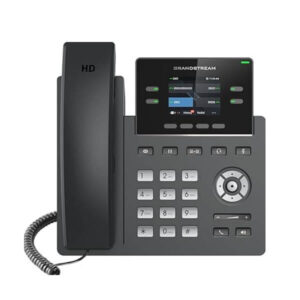
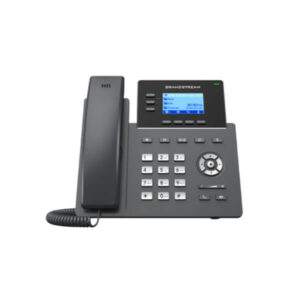
Pair the PBX with suitable desk phones, reception phones, cordless options, and headsets for each role.
PoE Switches
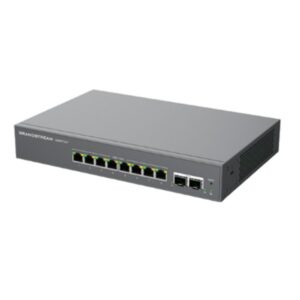
Useful when deploying multiple IP phones and reducing the need for separate phone power adapters.
UPS for PBX and Network
Protect the PBX, router, firewall, and switches from brief power interruptions during business hours.
Firewall and VPN
Review firewall readiness for SIP traffic, remote users, secure access, and branch connectivity.
Why Buyers Choose FourTeck.com
Business communication purchases can involve multiple small decisions that affect the final experience: appliance model, port modules, SIP trunk plan, desk phone models, LAN readiness, power backup, remote users, and installation scope. FourTeck.com helps buyers turn these details into a clearer procurement plan. Instead of treating the PBX as a standalone box, the team can help review how it fits into the office network and daily calling workflow.
Business IT Supply Support
Support for procurement teams that need practical product guidance before requesting approvals.
Configuration Guidance
Help reviewing users, call volume, telephony modules, and related phone system accessories.
Quote Assistance
Clear quote support for appliance, phones, modules, delivery coordination, and related items.
Replacement Model Guidance
Help comparing higher-capacity Yeastar models when the user count or call volume may exceed P520 capacity.
Frequently Asked Questions
What is the Yeastar P520 used for?
It is used as an on-premise IP PBX for small businesses that need extension dialing, call routing, voicemail, SIP trunk connectivity, analog line options, and unified communication features. It helps companies manage calls through a dedicated appliance instead of relying on scattered phone lines or basic handsets.
Is the P520 suitable for my office?
It is suitable when the business needs up to 20 users and around 10 simultaneous calls. Buyers should compare this capacity with real call volume, not only employee count. If the company expects rapid growth or heavy support desk traffic, a larger model may be more suitable.
Can FourTeck.com help with configuration?
Yes. FourTeck.com can help review expected users, phones, SIP trunks, analog devices, module needs, and accessory requirements before quotation. This helps buyers avoid missing important items such as telephony cards, PoE switches, UPS units, or compatible phones.
Does availability depend on configuration?
Yes. Availability may depend on the base appliance, selected modules, regional supplier status, quantity, and warranty route. Buyers should request current options from FourTeck.com and share the exact line and phone requirements for a more accurate quote.
Can it work with SIP trunks?
The P-Series platform is commonly used with SIP trunking. Buyers should still confirm SIP provider settings, firewall readiness, internet quality, number of channels, and any security requirements before deployment. Proper network planning is important for stable call quality.
Can I keep analog phones or PSTN lines?
Analog support depends on selected modules and the exact requirement. FXS ports are used for analog endpoints, while FXO ports connect to PSTN lines. Share your current phone layout with FourTeck.com so the correct module combination can be reviewed.
What information should I provide for a quote?
Provide the number of extensions, expected simultaneous calls, existing line type, SIP trunk plan, analog phone or fax requirement, preferred IP phones, office location, and whether installation support is required. These details help create a more complete quotation.
Is delivery support available in the UAE?
FourTeck.com can support delivery coordination guidance for UAE business inquiries. Exact delivery options, timelines, and availability should be confirmed during quotation because they can vary by supplier status, selected accessories, and order quantity.
Which related products should I consider?
Common related items include Yeastar-compatible IP phones, PoE switches, network cabling, headsets, UPS power backup, firewall configuration support, and additional telephony modules. The final list depends on the office layout and user requirements.
How do I request buying assistance?
Use the FourTeck.com contact page and share your requirement. Include company name, location, number of users, current phone setup, and preferred delivery or installation expectations. The team can then guide you toward the suitable product and quote structure.
Need Help Choosing the Right PBX?
FourTeck.com can help you review appliance availability, user capacity, SIP trunk planning, telephony modules, compatible phones, warranty guidance, and delivery requirements for your business location.