
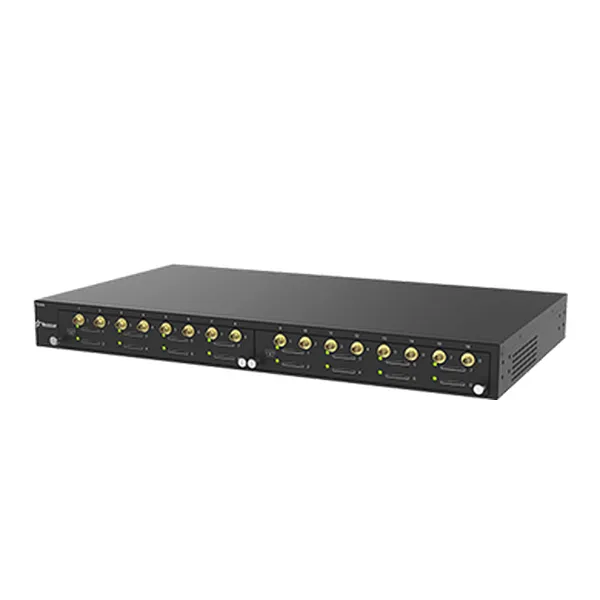
Yeastar TG1600W GSM VoIP Gateway in Dubai, UAE
The Yeastar TG1600W is a high-density mobile gateway for businesses that want to bridge GSM, WCDMA, or 4G LTE mobile networks with VoIP platforms. It helps companies route inbound and outbound mobile calls through an IP PBX, softswitch, or SIP-based phone environment while keeping control over routing rules, call records, SMS usage, carrier selection, and management access. FourTeck.com supports UAE buyers with product selection guidance, current availability checks, configuration review, delivery coordination, and quotation assistance for business telephony projects.
✓ SIP and IAX2 Support
✓ PBX Integration Guidance
✓ UAE Quote Assistance
Request Quote
Check UAE Availability
Yeastar
TG1600W
16-channel GSM/WCDMA/VoIP gateway
Mobile trunks, PBX routing, fallback voice, SMS
Quick Product Information
| Product | Yeastar TG1600W GSM VoIP Gateway Dubai |
| Suitable For | IP PBX systems, softswitches, call centers, multi-branch offices, telecom integrators, and businesses with heavy mobile call traffic. |
| Channel Capacity | 16 GSM, 3G WCDMA, or 4G LTE mobile channels depending on selected module and carrier compatibility. |
| Protocols | SIP and IAX2 voice protocol support with UDP, TCP, TLS, and SRTP transport options. |
| Availability Guidance | Configuration dependent. Contact FourTeck.com for current UAE options and quotation support. |
| Buyer Action | Contact FourTeck.com for product assistance |
Buyer Snapshot and Decision Summary
This gateway is best suited for organizations that already operate, or plan to operate, an IP-based voice environment and need direct mobile network connectivity. It is not simply an adapter; it is a telecom routing device that should be selected with attention to carrier bands, SIM plans, PBX routing policy, expected call traffic, antenna placement, and security controls. Buyers should confirm whether they need GSM voice, WCDMA, LTE support, VoLTE capability, SMS features, or fallback calling before requesting a quote.
High mobile call routing and IP PBX integration.
Connects mobile networks to VoIP environments.
Carrier bands, SIM policy, PBX compatibility, antenna needs.
Quote, configuration, related telephony options, and UAE delivery guidance.
Product Overview
Modern business telephony is often a mix of VoIP extensions, SIP trunks, mobile users, call center queues, customer service numbers, and backup routes. A gateway such as the Yeastar TG1600W helps connect those worlds by allowing calls to move between mobile networks and a VoIP platform. For companies that make frequent calls to mobile numbers, operate field teams, manage customer notifications, or require a fallback path when fixed lines are not available, this type of gateway can become a practical part of the voice infrastructure.
The device is designed for high-density mobile connectivity with 16 channels. That makes it more suitable for business environments than small single-port adapters. Typical buyers include telecom system integrators, contact center operators, logistics companies, hospitality groups, service desks, trading companies, and organizations that need mobile trunking for branch or project offices. It can connect to most IP-based telephone systems where the PBX, softswitch, route patterns, codecs, and security settings are aligned correctly.
For UAE buyers, the most important selection points are not only the model name. The selected module type, mobile band compatibility, local carrier plan, SIM management policy, network security design, and PBX routing rules all affect the success of a deployment. FourTeck.com can help businesses prepare a cleaner request by reviewing the number of channels required, expected concurrent calls, whether SMS or USSD features are needed, whether SIP trunking is already in place, and whether the gateway will be used as a primary calling route or a backup path.
Key Business Benefits
◆ Mobile Network Access
The gateway lets a business connect mobile network channels directly into the VoIP environment. This is useful when the organization wants mobile call routing without handing separate mobile phones to every department or relying only on fixed-line trunks.
◆ Routing Flexibility
Incoming and outgoing routing rules allow the telephony team to decide how different call types should be handled. That can support cost planning, customer service flows, branch calling, fallback routing, and separation of departments or campaigns.
◆ Business Continuity
A mobile gateway can provide an alternate voice path when landlines, SIP trunks, or site connectivity are interrupted. It should not replace a complete continuity plan, but it can add a useful layer of resilience for critical calling needs.
◆ Web-Based Control
Web-based management, logs, routing options, and maintenance tools make deployment easier for administrators and integrators. Teams can review system status, back up configuration, apply firmware updates, and manage telecom behavior more centrally.
◆ SMS and USSD Support
SMS sending, receiving, bulk SMS capability, SMS center functions, and USSD support can help approved business workflows such as service notifications, customer updates, balance checks, and operational communication where permitted by policy and carrier rules.
◆ Integration Value
Support for SIP, IAX2, common codecs, NAT traversal, VLAN, QoS, firewall options, and OpenVPN helps the gateway fit into many VoIP environments when planned correctly by a qualified telephony administrator.
Product Highlights
The TG1600W focuses on high-density mobile connectivity for VoIP environments. Its 16-channel design is a strong fit when a business needs more than a compact two-port or four-port gateway. The platform supports two-way communication between mobile networks and VoIP systems, making it useful for outbound mobile trunking, inbound mobile calls, fallback dial tone, and integration with supported IP PBX platforms. It also includes call routing tools, call detail records, call status display, call duration controls, caller ID functions, black list options, callback, hotline, and mobile port grouping for structured telecom management.
On the voice side, support for common codecs helps match the gateway with existing PBX settings and call quality expectations. Transport and security-related options such as TLS, SRTP, VLAN, QoS, firewall functions, static routing, and OpenVPN can help administrators fit the device into a more controlled network design. On the mobile side, support depends on module type and carrier bands, so buyers should confirm the required local network support before purchase. VoLTE also depends on carrier support, selected module, and configuration.
For SMS workflows, the platform can support sending and receiving SMS, bulk SMS, SMS center features, USSD, PIN modification, and API-based integration. Businesses should use these features responsibly and in line with telecom regulations, customer consent requirements, and internal communication policy. FourTeck.com can help buyers identify whether this gateway, a smaller Yeastar TG model, an IP PBX, IP phones, or related telephony accessories are needed for the full project.
Technical Specifications
Configuration and Buyer Guidance
A GSM VoIP gateway should be selected according to the actual calling requirement, not only the number of ports printed on the model. Before asking for a quote, buyers should estimate peak concurrent calls, expected inbound and outbound traffic, whether all 16 channels will be active, what telecom carrier plans will be used, and whether SMS features will be required. They should also confirm whether the IP PBX supports SIP or IAX2 routing, which codecs are preferred, whether TLS or SRTP is required, and whether the gateway must be isolated on a dedicated voice VLAN.
Estimate concurrent calls and daily mobile traffic before selecting channel capacity.
Confirm frequency bands, SIM plans, VoLTE requirements, and signal strength at the site.
Share PBX brand, firmware, SIP trunk policy, routing plan, and security settings.
Check antennas, cabling, rack placement, UPS protection, and network switch ports.
Ideal Business Use Cases
Contact Centers
Organizations with high mobile call volumes can route selected outbound calls through mobile channels while keeping call handling centralized through the PBX or softswitch.
Branch Office Calling
Branches can use mobile network paths for local communication, emergency fallback, or temporary offices where fixed telecom service is limited or delayed.
Business Continuity
A cellular voice route can support important calls when a fixed line, SIP trunk, or site connectivity issue affects the main communication path.
SMS Operations
Approved SMS workflows can help service reminders, operational alerts, dispatch communication, customer updates, and internal notification use cases.
System Integrator Projects
Telephony integrators can include the gateway in PBX refresh, hotel voice systems, retail support desks, logistics operations, or regional telecom deployments.
Temporary Project Sites
Construction, events, field operations, and short-term project offices may use mobile channels where fixed-line services are not yet active.
Yeastar TG1600W Mobile Trunking and Call Routing
The most important value of this gateway is controlled mobile trunking. Instead of allowing every user to make mobile calls from unmanaged devices, a business can route selected calls through PBX-controlled policies. This approach can help centralize dial patterns, user permissions, call logs, and customer contact processes. The gateway supports mobile port grouping and incoming or outgoing routing rules, so administrators can decide how calls move between the VoIP network and mobile channels.
For a proper deployment, the telephony team should map the call flow before installation. Which departments can use mobile trunks? Which calls should go through fixed SIP trunks instead? Should emergency fallback routes be created? Does the company need least-cost routing, caller ID presentation, or call duration controls? These decisions affect configuration more than the hardware itself. FourTeck.com can help buyers prepare the right information for a supplier quote and integration discussion.
Yeastar TG1600W PBX Compatibility and Network Management
Compatibility is a major decision point for any VoIP gateway. The TG Series supports SIP and IAX2, common voice codecs, NAT traversal, VLAN, QoS, firewall functions, OpenVPN, and web-based configuration. This gives integrators flexibility, but the final success depends on matching PBX settings, network design, security rules, and carrier behavior. A gateway should be placed on a stable network segment with correct IP planning, management access control, and voice traffic priority where required.
Administrators may need to configure routing tables, SIP trunk credentials, inbound patterns, outbound prefixes, codec order, DTMF mode, caller ID behavior, and security restrictions. Packet capture, system logs, CDR, call status display, and backup or restore functions can support troubleshooting. Buyers should ask whether their internal IT team or telephony partner will handle installation, testing, and ongoing management. FourTeck.com can help customers identify related items such as IP PBX systems, enterprise switches, UPS units, and IP phones for a complete communication project.
Yeastar TG1600W SMS, USSD, and Operational Messaging
Beyond voice calls, the gateway includes SMS and USSD functions that can support business messaging workflows. SMS sending and receiving, bulk SMS, SMS center features, USSD, PIN modification, and an API for SMS and USSD can be useful for service notifications, dispatch updates, customer communication, balance checks, and other approved workflows. These features should be used with proper customer consent, telecom policy compliance, and carrier plan review.
Companies should consider how SMS will be managed before deployment. Who is allowed to send messages? Will messages be sent manually through the gateway interface or through an external system using API integration? Is there a need to log activity, control access, or separate departments? What are the carrier limits and regulatory requirements? These practical questions help prevent misuse, unexpected charges, and operational confusion after installation.
What Buyers Should Check Before Purchase
Before requesting a quote, buyers should confirm the technical and operational details that affect the success of a gateway deployment. The first point is model fit: a 16-channel gateway is useful for higher call volume, but smaller TG models may be enough for limited branch use. The second point is carrier compatibility. Mobile band support, SIM plan rules, signal level, antenna placement, VoLTE support, and telecom restrictions can affect call quality and reliability. The third point is PBX readiness. The business should confirm supported protocols, codec preferences, NAT behavior, SIP security, dial plans, call routing, caller ID expectations, and whether the gateway will be managed by internal IT or a telephony integrator.
Warranty, delivery, module type, and accessories should also be checked before confirming the order. Some projects require rack placement, antenna splitters, UPS protection, dedicated network switch ports, firewall rules, or remote access for support. For SMS use, buyers should confirm approved usage, consent policy, campaign rules, API needs, and carrier limits. For long-term value, consider whether the same deployment will need more mobile channels, additional IP phones, call recording, PBX expansion, SIP trunks, or network upgrades later.
Configuration Fit
Confirm channel count, module type, call routing, SMS needs, PBX protocol, and codec requirements.
Compatibility Check
Review carrier bands, SIM policy, antenna placement, network VLANs, firewall rules, and PBX settings.
Availability and Warranty
Ask for current UAE availability, final warranty terms, supplier lead time, and included accessories.
Quote Preparation
Share PBX model, office location, number of SIMs, expected calls, telecom carrier, and installation plan.
UAE Availability and Service Support
FourTeck.com supports Yeastar TG1600W GSM VoIP Gateway Dubai inquiries with buying assistance for business customers, procurement teams, telecom integrators, and IT managers. The team can help review model suitability, module selection, carrier band questions, PBX integration requirements, accessories, warranty guidance, delivery coordination, and quotation details. Availability can change based on selected configuration, supplier status, order quantity, and regional sourcing conditions, so customers should request current confirmation before planning installation dates.
For a faster response, buyers can provide the current phone system model, number of expected mobile channels, preferred SIM carrier, whether LTE or VoLTE is required, expected daily call volume, location of installation, and whether SMS or API features are needed. FourTeck.com can also help buyers consider related items such as business networking products, UPS power protection, and quote support.
Dubai, Abu Dhabi, Sharjah, and Ajman Coverage
Businesses in Dubai, Abu Dhabi, Sharjah, Ajman, and other UAE locations can contact FourTeck.com for gateway availability guidance, quote preparation, configuration review, and related telephony solution support. Instead of choosing only by product name, buyers should share their actual phone system environment, expected number of SIM channels, call flow, carrier preference, and delivery requirement. FourTeck.com can help connect the purchase discussion with practical deployment needs so the selected device, accessories, and support expectations match the project.
GCC and Africa Availability
FourTeck.com also supports business technology inquiries across selected GCC and Africa markets through regional inquiry channels. Organizations in Saudi Arabia, Qatar, Oman, Kuwait, Bahrain, Kenya, Uganda, and other Africa region markets can request guidance for compatible communication products, availability options, and project supply coordination. Availability, warranty handling, delivery route, telecom compatibility, and final product selection may vary by country, carrier network, supplier status, and project quantity. Buyers can explore regional support through FourTeck.com, FourTeck Kenya, FourTeck Uganda, FourTeck Africa, and FourTeck Kuwait.
Other Options Buyers May Consider
Yeastar TG800 Gateway
A smaller high-density option when 8 mobile channels are enough for the project.
Yeastar TG400 Gateway
A practical choice for branch offices that need fewer mobile channels.
Yeastar IP PBX Systems
Useful when the customer also needs a PBX platform for extensions and call routing.
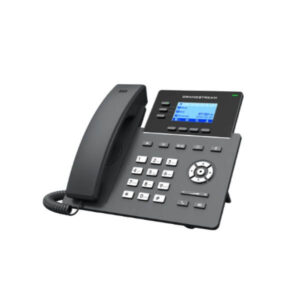
Business IP Phones
Desk phones and endpoints for offices using VoIP extensions and PBX calling.
Why Buyers Choose FourTeck.com
FourTeck.com works with business technology buyers who need more than a product name. Many procurement requests for telephony hardware fail because the buyer does not yet know the exact configuration, carrier requirements, compatible accessories, or deployment expectations. FourTeck.com helps make the buying conversation more practical by asking the right questions before quotation. This can be especially valuable for VoIP gateways because the final result depends on PBX integration, SIM planning, antenna placement, network security, and ongoing support readiness.
Frequently Asked Questions
It is used to connect mobile networks with VoIP systems. Businesses can route calls between GSM, WCDMA, or LTE mobile channels and an IP PBX, softswitch, or SIP-based telephony environment. It is commonly used for mobile trunking, fallback calling, customer communication, SMS workflows, and high-volume mobile call routing.
It can be suitable for call centers that make many calls to mobile numbers or need mobile network routing as part of their telecom plan. The buyer should confirm expected concurrent calls, carrier plans, PBX routing, call recording policy, compliance needs, and whether the gateway will be integrated by an experienced telephony engineer.
Yes. FourTeck.com can help buyers review model suitability, channel requirements, carrier compatibility questions, PBX environment, accessory needs, and quotation details. Final installation and configuration requirements should be confirmed based on the customer’s phone system, network design, and selected telecom carrier.
The TG Series includes SMS sending and receiving, bulk SMS, SMS center, USSD, PIN management, and API options for SMS and USSD. Businesses should confirm operational rules, carrier limitations, customer consent, and local telecom policy before using messaging features in production workflows.
Availability is not guaranteed until confirmed at the time of quotation. It may depend on supplier status, selected module, order quantity, warranty terms, and delivery schedule. Customers should contact FourTeck.com for the latest UAE availability and quote assistance before planning a deployment date.
Share your PBX brand and model, number of required SIM channels, expected call volume, preferred mobile carrier, whether SMS is needed, office location, installation timeline, and any accessories such as antennas, rack space, UPS, or network switch requirements. This helps FourTeck.com prepare a more relevant response.
Yes, a mobile gateway can be used as a fallback path when fixed lines or SIP trunks are unavailable, provided routing rules are configured correctly. Businesses should still design a complete continuity plan that includes power backup, network resilience, SIM management, carrier coverage, and support procedures.
Yeastar TG Series includes smaller models with fewer ports, such as TG200, TG400, and TG800, depending on current regional availability. A smaller model may be better for branch offices or lower call traffic, while TG1600-class gateways are better suited for larger channel requirements.
VoLTE depends on the module type, carrier support, SIM plan, firmware, and local network conditions. Buyers should confirm VoLTE requirements before ordering. FourTeck.com can help raise this as part of the product inquiry so the supplier can confirm relevant details.
Need Help Choosing the Right VoIP Gateway?
FourTeck.com can help you review current availability, module options, carrier compatibility, PBX integration needs, warranty guidance, and UAE delivery requirements for your business communication project.
Reviews
There are no reviews yet.